
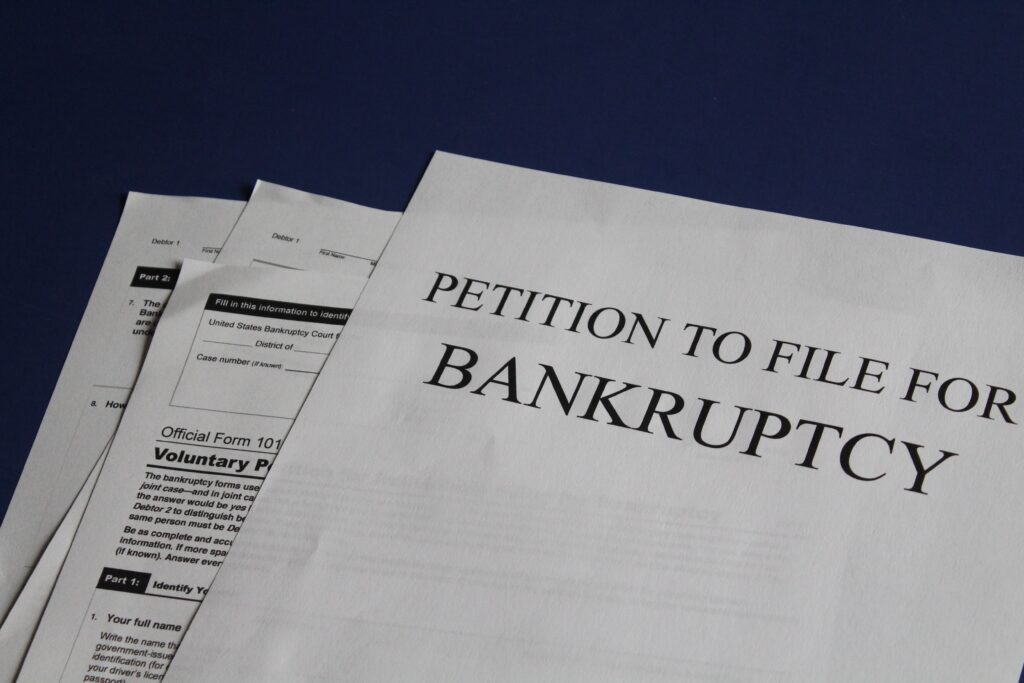
Navigating Financial Distress: Understanding Bankruptcy
Facing overwhelming debt can feel isolating, but you are not alone. Bankruptcy is a powerful legal tool designed to help individuals and businesses achieve a fresh financial start by eliminating or restructuring debt. If you are navigating financial distress, understanding bankruptcy may be a viable solution.
At RJS LAW, we understand that seeking bankruptcy protection is a decision born out of necessity, and we approach every case with empathy, discretion, and a commitment to securing the best possible outcome for you.
What is Bankruptcy?
Bankruptcy is a federal court process that provides relief for debtors who can no longer pay their creditors. It is governed by the U.S. Bankruptcy Code and offers different “Chapters” of protection, each tailored to specific circumstances:
- Chapter 7 (Liquidation): Often called “straight” or “fresh start” bankruptcy. It allows individuals to wipe out most unsecured debts (like credit card balances, medical bills, and personal loans) quickly and efficiently. Eligibility depends on a “means test” based on your income for the prior 6 months.
- Chapter 13 (Reorganization for Individuals): Designed for individuals with regular income who wish to keep their property (like a home or car) but need time to catch up on missed payments. It involves proposing a 3-to-5-year repayment plan to the court.
- Chapter 11 (Reorganization for Businesses): Primarily used by businesses but also available to high-net-worth individuals, this Chapter allows the debtor to continue operating while restructuring its debts and developing a plan of reorganization.
- Subchapter V (Small Business Reorganization): Subchapter V is a specialized provision of Chapter 11 bankruptcy, designed to make the complex process of Chapter 11 reorganization more accessible, faster, and less expensive for small business debtors.
How Can Bankruptcy Help You?
Once a bankruptcy petition is filed, an “Automatic Stay” immediately goes into effect. This powerful court order legally compels all creditors to:
- Stop Collection Calls and Letters
- Halt Foreclosures and Repossessions
- Stop Wage Garnishments
- End Lawsuits and Judgments
Bankruptcy provides an immediate shield, allowing you to breathe and focus on building a stronger financial future.
Let Us Guide You Through the Process
Choosing the right Chapter and successfully navigating the legal requirements requires experienced counsel. Our attorneys will:
- Analyze Your Financial Situation: Review your assets, debts, and income to determine the best path forward.
- Determine Chapter Eligibility: Ensure you meet all legal requirements for the selected Chapter.
- Handle All Court Filings: Prepare and submit the extensive documentation required by the Bankruptcy Court.
- Represent You at Creditor Meetings: Attend the §341 Meeting of Creditors with you.
- Secure Your Discharge/Confirmation: Work diligently to achieve your debt discharge or plan confirmation.
Comparison of Major Bankruptcy Chapters
This chart outlines the primary differences and similarities between the four most common types of bankruptcy filings under the U.S. Bankruptcy Code.
| Feature | Chapter 7 (Liquidation) | Chapter 13 (Wage Earner Plan) | Chapter 11 (Reorganization) | Subchapter V (Small Business Reorganization) |
| Primary Goal | Liquidation/Fresh Start. To eliminate (discharge) most unsecured debt quickly. | Reorganization. To pay all or part of debt over 3-5 years and retain property. | Reorganization. To restructure debt and continue business operations. | Streamlined Reorganization for eligible small businesses. |
| Who Can File? | Individuals and Businesses (if they cease operations). | Individuals with regular income. | Individuals, Partnerships, LLCs, and Corporations of any size. | Small Businesses, Partnerships, LLCs, and Individuals engaged in business. |
| Income Test | Required. Must pass the “Means Test” (income below state median or insufficient disposable income) to qualify. | Required. Must have regular disposable income to fund a plan. | Not Required. | Not Required. |
| Debt Limit | No Debt Limit (but high income may disqualify for a Chapter 7 discharge). | Yes. Must be under specific limits for secured and unsecured debt | No Debt Limit. | Yes. Total debts must be below a specific statutory limit |
| Keeping Property | Conditional. The Trustee may sell non-exempt assets to pay creditors. | Yes. Debtor keeps all property in exchange for funding the repayment plan. | Yes. Debtor-in-Possession (DIP) retains control of assets. | Yes. Debtor-in-Possession (DIP) retains control of assets. |
| Payment Plan | No Payment Plan. Case typically concludes in 4–6 months. | Mandatory. 3 to 5 years. | Mandatory. Often 3 to 5 years (can be longer). | Mandatory. 3 to 5 years (must be filed within 90 days). |
| Creditor Voting | No Voting. Creditors are paid from non-exempt assets, if any. | No Voting. Creditors are bound by the confirmed plan if it meets legal standards. | Mandatory. Creditors vote on the plan, and plan confirmation is complex (requires acceptance by at least one impaired class). | Optional. Plan can be confirmed without creditor vote (“cramdown”) if the debtor commits all disposable income. |
| Trustee Role | Trustee appointed to liquidate assets and distribute funds. | Trustee appointed to receive and disburse plan payments. | No Operating Trustee (Debtor-in-Possession). Trustee may be appointed only in cases of fraud or gross mismanagement. | Subchapter V Trustee appointed to facilitate the case and plan negotiation (not to operate the business). |
Key Takeaways
- Individuals/Consumers: Chapter 7 and Chapter 13 are the primary options. Chapter 7 is for a fast discharge, while Chapter 13 is for protecting assets (like a home) and catching up on missed payments.
- Businesses: Chapter 11 is the traditional path for large-scale reorganization.
- Small Businesses: Subchapter V is the modern, highly streamlined, and cost-effective version of Chapter 11 for businesses that meet the debt limit, offering a better chance of survival than a standard Chapter 11.
In Conclusion
If you are facing mounting debt and considering filing for bankruptcy, it is important to understand your options. Developing a proper strategy can be difficult to prepare, determine, and implement. RJS LAW and its qualified attorneys are available to assist in understanding and completing the process as well as with determining a succinct filing timetable. Please call RJS LAW for a free confidential consultation and assessment at (619) 595-1655. You may also contact us via the web at RJS LAW. We look forward to hearing from you
Meet Our Professional Bankruptcy Team

Ronson J. Shamoun, Esq., LL.M
Principal and CEO
Master in Laws of Taxation
Email: rshamoun@rjslawfirm.com
Phone: (619) 595-1655

Andy J. Epstein, Esq., CPA, LL.M.
Associate Attorney
Email: aepstein@rjslawfirm.com
Phone: (619) 595-1655

Vincent Renda, Esq.
Special Counsel
Phone: (619) 595-1655
About Us
Our Downtown San Diego Location has plenty FREE parking underground in building Map & Directions